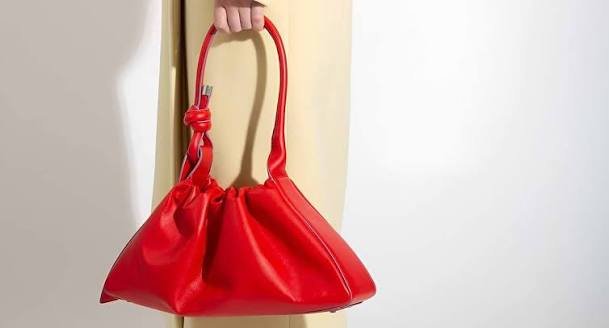
A handbag often becomes one of the most frequently used accessories in a wardrobe. It accompanies people through workdays, social occasions, errands and travel, making its design and construction especially important. While trends can influence what attracts attention, a useful handbag should also meet practical needs and remain suitable for different situations.
Choosing a design that balances appearance, comfort and function requires more than looking at colour or shape. Material, dimensions, construction and maintenance all contribute to the overall experience.
Understanding Different Handbag Styles
Handbags are available in many silhouettes, each offering a different combination of appearance and practicality. Structured designs can create a polished impression and may help belongings remain organised. Softer shapes often provide a relaxed look and can suit casual clothing.
The best silhouette depends on how the bag will be used. Someone who carries several everyday items may prefer a design with a wider opening and useful internal space. Someone who travels light may choose a smaller option that keeps essentials together without adding unnecessary weight.
It is useful to think about the occasions for which the bag will be carried. A design that works for office routines may also suit weekend plans if its proportions and styling are sufficiently versatile.
The Importance of Leather and Finish
Leather is valued in accessories for its distinctive surface, texture and refined appearance. Different finishes can create very different effects, from smooth and understated to textured and casual. The finish also influences the care routine required.
When exploring a leather handbag examine the product description for material information and care guidance. It is also worth paying attention to stitching, seams, handles and hardware. These details can influence both the visual quality and everyday usability of the design.
No material is completely maintenance-free. Proper storage and suitable cleaning methods are important for preserving appearance over time.
Choosing a Suitable Size
A handbag should accommodate the belongings you normally carry without becoming cumbersome. Start by identifying essential items such as a phone, wallet, keys and personal accessories. If you regularly carry a tablet, notebook or other larger objects, check the dimensions carefully.
A bag that is too small may require constant rearranging, while an oversized design can become heavy when filled. The goal is to find a useful balance between capacity and comfort.
Internal pockets may help separate small belongings. However, the number of compartments is less important than whether the layout supports your routine.
Construction and Everyday Reliability
A handbag experiences repeated movement, handling and contact with different surfaces. Its construction should therefore be considered alongside its appearance.
Look closely at the areas that receive regular use, including handles, attachment points, stitching and closures. A secure fastening can help keep belongings in place, while comfortable handles make the bag easier to carry.
The lining is another detail worth checking. A well-designed interior can make it easier to locate belongings and keep the main compartment organised. Product descriptions and close-up photographs may provide useful information before purchase.
Styling a Handbag Across Occasions
A handbag can influence the overall balance of an outfit. A structured silhouette may complement tailored clothing, while a softer design can work naturally with relaxed looks. Neutral shades are generally easy to coordinate, but a distinctive colour can add interest to simple clothing.
Consider the proportions of the bag in relation to your outfit and personal comfort. A very large design may dominate a minimal look, while a compact bag can provide a subtle finishing detail.
Seasonal styling can also be approached through texture and colour rather than purchasing a completely new collection each time trends change.
Care and Storage
Regular maintenance helps keep a handbag presentable. Follow the manufacturer’s instructions, particularly when the material requires specialised cleaning. Avoid using household chemicals or rough materials unless the care guidance specifically recommends them.
When the bag is not in use, store it in a clean, dry place. Avoid placing heavy objects on top of it, and do not leave it overfilled for long periods. Keeping its shape supported may help preserve its appearance.
Frequently Asked Questions
1. What should I look for in a quality handbag?
Consider the material, stitching, lining, handles, hardware and closure. Dimensions and internal organisation are also important because they determine how well the bag suits everyday needs.
2. Can one handbag work for both casual and formal occasions?
Yes. A simple silhouette and balanced colour can often transition between different settings. The final result depends on the bag’s design and how it is styled.
3. How can I help a handbag maintain its shape?
Avoid overfilling it, store it in a dry place and use suitable support when it is not being carried. Follow the manufacturer’s specific storage recommendations.
See also: Compact Temperature Testing for Modern Product Development
Conclusion
A well-chosen handbag combines thoughtful design with practical details. By considering material, size, construction, comfort and styling, shoppers can identify an option that suits their routine and personal preferences. Rather than focusing only on short-lived trends, choosing a design with lasting usefulness can make an accessory more rewarding over time.