
Label Sticker Printing Works Differently for a Food Jar, Cosmetic Bottle and Beer Bottle

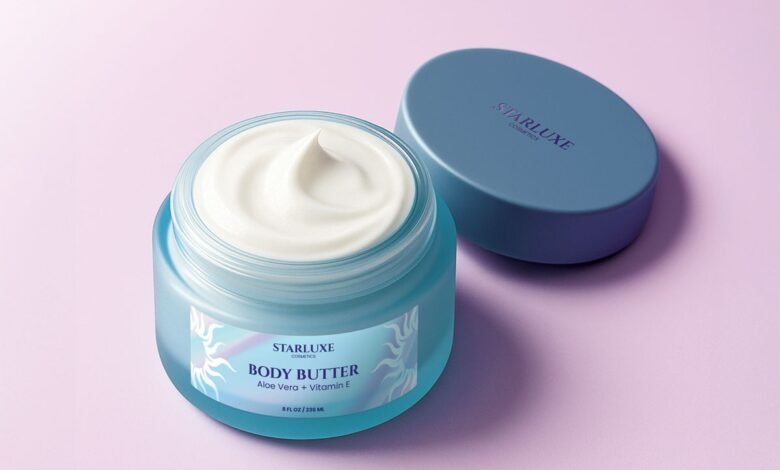
A food jar, a cosmetic bottle and a beer bottle look like three versions of the same job. They are not. Each one puts the label through a completely different set of conditions, and label sticker printing that suits one can quietly let the other two down. Same artwork, three very different outcomes.
The answer is not one house material for everything. It is choosing stock, laminate and adhesive around the conditions each product actually meets. Label sticker printing works best when the spec follows the product, because a jar in a fridge, a bottle in a bathroom and a beer in an ice bucket are three separate performance briefs wearing the same branding.
One Spec across Every Product Line Is Where Trouble Starts
One Material for Everything Is a False Economy: Using a single label material across a whole range means at least one product is carrying the wrong spec, because the conditions are not shared. Dry pantry goods sit still at room temperature. Chilled products sweat. Cosmetics get picked up, put down and wiped over. The material that suits all three equally does not exist.
The Reprint Nobody Budgets for: Postponing the material decision narrows the choices later, because artwork gets signed off, sizes get locked and the next run has to match what is already on shelf. Print teams routinely see brands that ran one stock across every product, then reprinted a single line after the first batch came back with lifting edges.
What a Jar, a Bottle and a Six-Pack Each Put Their Labels Through
Food Jars Deal with Condensation and Oil: Food jars face moisture from two directions, the fridge outside and the contents inside, and both work on the label edges over time. Sauces, preserves and oil-based products can darken an unlaminated surface where the contents make contact. A laminate over paper handles most pantry lines, and chilled ranges usually need more.
Cosmetics and Beer Both Get Handled Hard: Cosmetic bottles live in humid bathrooms and get touched constantly in store, so the surface finish decides how long the print keeps looking new. Materials chosen for abrasion resistance hold up against repeated contact with hands, shelves and neighbouring packs. Beer bottles chill, sweat and slide through ice buckets, which keeps steady pressure on the adhesive.
Matching Stock and Finish to the Product Doing the Work
Laminated Paper Covers More Ground than Expected: Laminated paper stock suits dry food lines, packaged pantry goods and anything that stays at room temperature, and it keeps costs sensible on shorter runs. Matte reads calm and premium, gloss makes colour jump. Most label sticker printing projects start on paper because the trade-off only shows up once real moisture enters the picture.
Synthetic Stock Earns Its Extra Cost under Moisture: Synthetic polypropylene does not absorb water, so it holds its shape and its print around refrigeration, condensation and oil-based contents where paper starts to struggle. It costs more per label, which is the honest trade-off. Synthetic silver adds a metallic finish for premium ranges, and uncoated textured stock suits artisan lines that stay dry.
Getting the Spec Right Once Pays Off on Every Reorder
Consistency across a Range Is Worth Paying for: Setting the right spec once means every reorder repeats the same result instead of gambling on identical artwork behaving differently. Brands working through category management decisions need their products to read as one family on shelf, and mismatched finishes break that instantly. Consistent stock and finish make a range look deliberate.
Sizes Matched to the Container Save Money Later: Label sizes cut to the actual curve of the bottle or the face of the jar avoid the wrinkles and gaps that come from forcing artwork onto the wrong footprint. Custom label sticker printing lets each product line carry its own size and finish while the branding stays consistent across the range.
See also: So Everyone’s Sniffing a Russian Brain Peptide Now? Let’s Talk About Semax
Worth Checking before the Artwork Goes to Print
Five Checks That Take Minutes: A short review at proof stage catches the problems that only turn up after production has finished. None of it is especially technical. Running these checks with your label sticker printing supplier before approval costs a few minutes and saves the reprint that tends to follow a mismatched material or an unsuitable finish.
- Chilled and refrigerated lines need a stock rated for condensation rather than the cheapest option available.
- Bathroom humidity and constant handling make the laminate choice matter more than the paper choice.
- Oil-based contents can mark an unlaminated surface from the inside of the container.
- Each product line can carry its own size without breaking the look of the wider range.
- A printed proof shows the colour and finish on real stock rather than on a screen.
Three Products, Three Labels, One Recognisable Brand
Matching the material to the product means every line in your range holds its finish for as long as it sits on shelf, and the branding stays consistent while the specs quietly differ underneath. That is the whole point. Customers see one confident brand rather than three labels ageing at three different speeds.
Waiting until a batch comes back curled or scuffed costs more than choosing carefully now, because the reprint sits on top of a run that has already been paid for. Every product category has a material and finish that suits it, and sorting that out takes very little time before printing. Send through your product details and artwork for a quote.





3 Comments