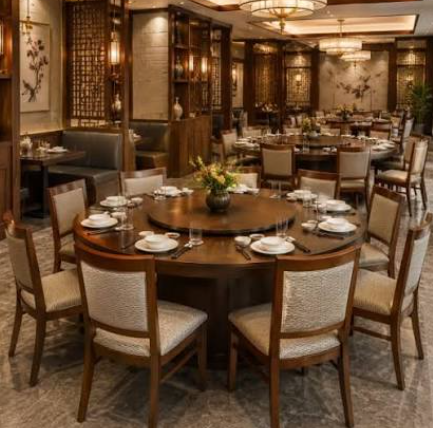
Dining out is often about more than simply having a meal. The restaurant’s atmosphere, menu, service, location, and overall experience can all influence how enjoyable an occasion becomes. Whether the purpose is a business lunch, family gathering, birthday celebration, or casual dinner, choosing the right restaurant can make the event feel more comfortable and memorable.
A well-designed hotel restaurant can be particularly suitable when diners want a combination of traditional cuisine, a refined environment, and convenient service. For anyone searching for a hotel chinese restaurant, understanding what to consider before making a reservation can help ensure the venue matches the occasion.
What Makes a Chinese Restaurant Suitable for Different Occasions?
Chinese cuisine covers a wide range of flavours, cooking methods, and dining styles. This makes Chinese restaurants suitable for many different occasions, from quick lunches to formal celebrations.
However, the food is only one part of the experience. The environment can be equally important. A restaurant designed for comfortable group dining can provide enough space for guests while still allowing a degree of privacy.
For business meetings, for example, diners may value a quieter environment and efficient service. Families may prefer comfortable seating and a menu that offers several choices for different tastes.
The Importance of Location
Location should be one of the first factors to consider when choosing a restaurant.
A conveniently located venue can make it easier for guests to arrive on time, particularly when several people are attending from different parts of the city. Transport connections, parking availability, and proximity to hotels or business districts may all influence the decision.
For visitors to Hong Kong, choosing a restaurant within a hotel can also make dining more convenient when accommodation and meals are part of the same itinerary.
Traditional Cuisine With a Modern Approach
Many diners appreciate restaurants that respect traditional cooking techniques while presenting dishes in a contemporary way.
Cantonese cuisine, for example, has a long culinary history and includes techniques that require considerable skill and attention. Stir-frying, steaming, roasting, braising, and other methods can each create distinct textures and flavours.
A modern restaurant can preserve these traditions while introducing updated presentation and carefully selected ingredients. This balance can appeal to diners who enjoy familiar flavours but also appreciate contemporary dining environments.
Why Handmade Preparation Matters
The preparation process can influence the character of a dish. Carefully prepared food often requires attention at several stages, from selecting ingredients to controlling cooking temperatures and finishing the presentation.
Restaurants that emphasize handcrafted preparation may avoid relying heavily on pre-prepared ingredients. Instead, chefs can focus on developing flavours through established cooking techniques.
This approach can be particularly interesting for diners who want to understand and appreciate the craftsmanship behind Cantonese cuisine.
Choosing the Right Menu
The menu should match the occasion and the preferences of the people attending.
For a business lunch, a set menu can make ordering easier and help keep the meal within a predictable timeframe. For family gatherings, sharing dishes can provide more variety and allow everyone to try different flavours.
For special celebrations, diners may prefer a more extensive menu with several courses and distinctive dishes.
Before making a reservation, it can be useful to review the available menus and determine whether they provide enough variety for the group.
Set Menus for Group Dining
Set menus can be particularly convenient for groups because the dishes are selected in advance. This reduces the amount of time spent deciding what to order and can make the dining experience more organized.
Lunch sets may be useful for professionals who need a structured meal during the working day. Larger menus can also work well for family gatherings or special occasions where guests want to enjoy several courses together.
When comparing set menus, consider the number of diners, dietary preferences, course structure, and total cost.
The Role of the Dining Environment
Atmosphere can significantly affect how guests experience a meal.
A restaurant with an elegant interior and comfortable seating can create a more suitable setting for formal occasions. Privacy may also matter for business discussions or family gatherings.
On the other hand, casual occasions may benefit from a more relaxed atmosphere.
The best environment depends on the purpose of the meal. Thinking about the occasion before booking can help diners choose a setting that feels appropriate rather than simply selecting a restaurant based on its menu.
Business Lunches and Corporate Gatherings
Restaurants are frequently used for business meetings because sharing a meal can create a more relaxed environment for conversation.
For a business lunch, practical considerations include service speed, seating arrangements, noise levels, and menu flexibility.
A set lunch can be useful when guests have limited time. For larger corporate gatherings, advance planning may be necessary to ensure that tables and menus are arranged appropriately.
It is also worth discussing any special requirements with the restaurant before the event.
Family Gatherings and Celebrations
Chinese restaurants are also popular choices for family reunions, birthdays, anniversaries, and festive occasions.
Sharing several dishes allows family members to enjoy different flavours together. A spacious dining area can make group meals more comfortable, especially when several generations are attending.
For celebrations, diners may also want to ask about decorations, table arrangements, cakes, or other special requests before making the reservation.
Why Advance Reservations Can Help
Popular dining periods can become busy, particularly on weekends, public holidays, and traditional Chinese festivals.
Making a reservation in advance allows diners to plan around their preferred date and time. It can also be particularly important for larger groups, since finding enough seating at short notice may be difficult.
When booking, provide accurate information about the number of guests and mention any special requirements.
Considering Dietary Preferences
Groups often include people with different dietary preferences. Some guests may avoid certain ingredients, while others may have allergies or specific food requirements.
Rather than making assumptions, communicate these requirements to the restaurant as early as possible.
Advance notice gives the kitchen and service team more opportunity to determine whether suitable alternatives can be provided.
Hotel Dining as Part of a Larger Experience
One advantage of dining in a hotel is the ability to combine the restaurant visit with other aspects of a trip.
Guests staying at the property may appreciate having a restaurant within the same building, particularly when travelling with family or attending a business event.
Hotel restaurants can also be useful for visitors who want to enjoy a meal without travelling to another part of the city after checking in.
Making the Most of the Dining Experience
A little preparation can improve the overall experience. Before visiting, check the restaurant’s opening hours, menu options, reservation arrangements, and location.
For larger groups, confirm the number of guests and any special requests in advance. If the occasion is important, mention the purpose of the gathering when making the reservation.
These simple steps can reduce last-minute complications and allow guests to focus more fully on the meal and the company around the table.
Three Common Questions
1. What should I consider when choosing a Chinese restaurant for a group?
Consider location, seating capacity, menu variety, set-menu options, atmosphere, service arrangements, and whether the restaurant can accommodate any dietary requirements.
2. Are set menus suitable for business lunches?
They can be convenient because the hotel chinese restaurant dishes are selected in advance and can make ordering more efficient. The most suitable option depends on the group’s preferences and available time.
3. Should I reserve a table in advance?
Advance reservations are generally useful for larger groups and busy periods such as weekends, public holidays, and traditional festivals. Booking ahead can also help ensure that the restaurant can accommodate special requests.
Conclusion
Choosing a restaurant involves more than selecting a menu. Location, atmosphere, service, seating, cuisine, and reservation arrangements can all contribute to a successful dining experience.
For business lunches, family gatherings, and celebrations, a well-organized hotel restaurant can offer a practical combination of food, comfort, and convenience. Traditional Cantonese techniques combined with contemporary presentation can also provide diners with an experience that respects culinary heritage while fitting modern expectations.
Whether planning a casual meal or a special gathering, reviewing the menu and restaurant facilities in advance can help create a smoother experience. For diners exploring Hong Kong’s