Apple’s wireless earbuds have grown from a single product into a full family of options, and understanding the current airpods lineup helps shoppers figure out which model actually fits their listening habits and budget before making a purchase.
How the Lineup Is Structured
The AirPods family now spans several distinct tiers, from the standard entry-level earbuds through to the noise-cancelling Pro models and the over-ear Max headphones, each targeting a somewhat different type of listener and price point.
Fit and Comfort Differences Across Models
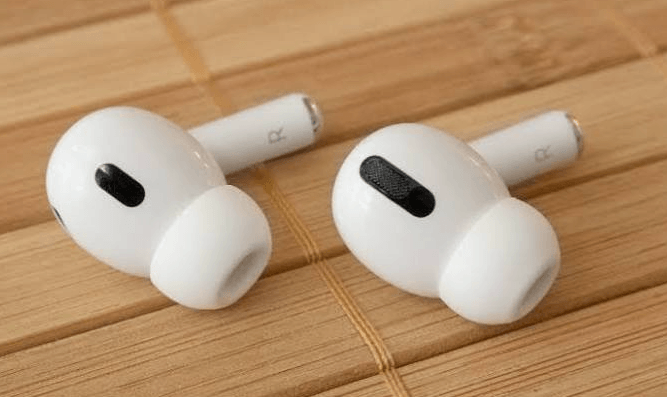
One of the most practical differences between models involves fit, with the standard AirPods using an open-ear design that sits loosely in the ear, while the Pro line includes silicone tips creating a sealed fit that also enables active noise cancellation, a feature the open-ear models can’t replicate.
Sound Quality Considerations
While all current models deliver solid everyday sound, the sealed fit of the Pro line generally produces noticeably fuller bass response and better isolation from ambient noise, making it the more natural choice for listeners who prioritize audio quality over the open, more natural-sound-aware feel of the standard models.
Battery Life and Charging Case Differences
Battery life varies across the lineup, and the charging cases themselves differ too, with some supporting wireless charging and the newer models supporting faster charging speeds, details worth comparing directly if daily battery anxiety is a concern.
Integration With the Apple Ecosystem
Regardless of which model shoppers choose, all AirPods share deep integration with iPhone, iPad, and Mac devices, including automatic device switching and easy pairing, a convenience factor that remains consistent across the entire product family.
Comparing the Current Lineup
For shoppers weighing which model best matches their needs, browsing the current airpods selection helps compare specifications and pricing across the full range side by side.
Matching a Model to Actual Listening Habits
Rather than defaulting to the most expensive option, shoppers get the best value by honestly assessing how they’ll actually use their earbuds, whether for commuting in noisy environments, workouts, or general everyday listening, and selecting the tier that addresses that specific use case.
See also: Unleash Limitless Beauty with Cutting-Edge Hair Technology
Frequently Asked Questions
What is the main difference between the standard AirPods and the Pro line? The Pro line uses silicone ear tips for a sealed fit that enables active noise cancellation, while the standard models use an open-ear design without noise cancellation capability.
Do all AirPods models work the same way with Apple devices? Yes, all current models share the same core integration features with iPhone, iPad, and Mac, including automatic device switching and simple pairing.
Should shoppers always choose the most expensive AirPods model? Not necessarily; the right choice depends on actual listening habits, and shoppers who don’t need noise cancellation or over-ear comfort may find better value in a lower-tier model.
Final Thoughts
Understanding how the AirPods lineup is structured, from fit and noise cancellation to battery life, helps shoppers make a more informed choice rather than guessing based on price alone. Matching a specific model to real listening habits remains the most reliable way to find the right fit.