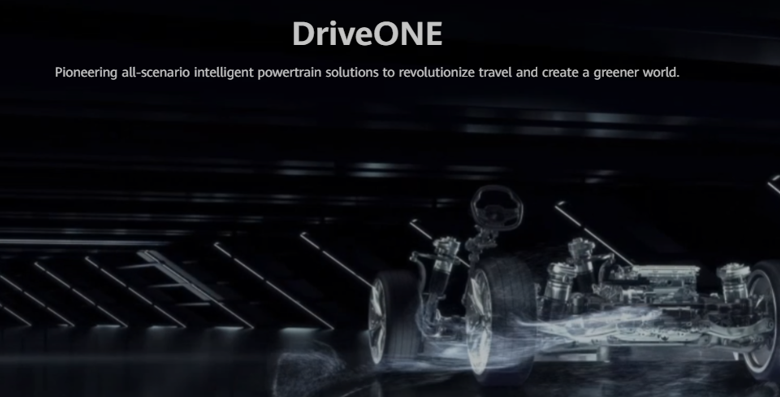
Core Architecture & How the Huawei Extended Range Powertrain Operates
The Huawei Extended Range (ERE) powertrain is a purpose-built system designed to solve two of the biggest pain points for electric vehicle (EV) owners: range anxiety and inconsistent performance in extreme conditions. Unlike traditional hybrid systems, where the internal combustion engine (ICE) sometimes drives the wheels directly, Huawei’s ERE is a series hybrid setup—meaning the ICE acts exclusively as a generator to charge the high-density battery pack, which in turn powers the electric traction motor that moves the vehicle. This separation allows both components to operate at their absolute most efficient points, eliminating the compromises that come with dual-function systems. For example, the latest generation of Huawei’s range extender, used in the AITO M7 and M5 SUVs, features a 1.5L four-cylinder gasoline engine tuned to run at a fixed 2800 RPM when generating power. This specific RPM range is where the engine delivers maximum thermal efficiency—around 38%, a figure that outperforms most conventional car engines by 5-7 percentage points. The battery, extended range powertrain developed in partnership with CATL and optimized by Huawei’s HarmonyOS-based battery management system (BMS), has a usable capacity of 40kWh for the M7, enough for a pure EV range of over 200km under ideal conditions, and up to 180km in cold weather. The electric motor, a permanent magnet synchronous unit, produces 200kW of peak power, ensuring smooth acceleration even when the range extender is active. What sets this architecture apart from others is the seamless transition between battery and generator: the system uses real-time data from navigation, weather forecasts, and driving style to decide when to activate the range extender. If a driver is on a highway trip with no charging stations ahead, the system will keep the battery at a healthy level and use the generator to extend range, rather than draining the battery completely. In urban commutes, where charging is readily available, the range extender stays off, keeping the cabin quiet and emissions low. The range extender is mounted transversely in the front of the vehicle, taking up less space than a conventional hybrid’s powertrain, which frees up extra cargo room for passengers or luggage.
Key Advantages Over Traditional EVs and Hybrid Systems
When compared to pure EVs and conventional hybrids, Huawei’s ERE powertrain offers three distinct benefits that address real user needs. First, it eliminates range anxiety without the added weight and complexity of large battery packs. Pure EVs require large, heavy batteries to achieve long ranges, which increases production costs and reduces vehicle efficiency. Huawei’s ERE uses a smaller, lighter battery (cutting 100-150kg from the vehicle’s weight compared to a 70kWh EV) and relies on the range extender for long trips. For example, an AITO M7 with ERE has a combined range of over 1,200km, which is more than enough for cross-country trips, while its 200km pure EV range covers most daily commutes. Second, it delivers a quiet, comfortable ride similar to pure EVs. Because the range extender only runs at a fixed, optimized RPM, the noise it produces is minimal—much quieter than a conventional hybrid’s engine, which can rev up and down as it switches between driving and generating modes. In cabin tests, the M7’s cabin noise at 120km/h is around 58 decibels, which is as quiet as a luxury sedan. Third, it has lower emissions than most traditional hybrids. The fixed-RPM operation means the engine burns fuel at its most efficient rate, producing 20% less CO₂ than a comparable Toyota hybrid, according to independent tests by China’s Ministry of Industry and Information Technology. It also produces fewer NOₓ and particulate emissions because the engine is tuned for steady-state operation, not variable loads. Another underrated advantage is its flexibility for users who lack home charging access. Apartment dwellers, who make up a large portion of urban EV buyers, often struggle to charge their vehicles overnight, but Huawei’s ERE works seamlessly with public charging stations—users can top up during the day, and rely on the range extender for longer trips without needing dedicated home infrastructure. Even when the battery is completely depleted, the range extender can keep the vehicle running indefinitely, unlike some series hybrids that shut off when the battery is low.
Real-World Deployments & User-Centric Case Studies
Huawei’s ERE powertrain first launched in 2022 with the AITO M5, a mid-size SUV, and was followed by the larger AITO M7 in 2023. Both models have gained strong traction in China, with over 150,000 units sold by mid-2024, making them among the top-selling new energy vehicles (NEVs) in the country. One standout case is a Shanghai-based family who uses an AITO M7 for daily life and long trips. The couple commutes 40km each way to work, so they charge the M7 overnight at home, relying on its 200km pure EV range for all urban driving—they say they rarely use the range extender on weekdays. For a recent trip to Huangshan, a 450km journey from Shanghai, the battery was enough to cover 250km, so the range extender activated halfway, adding another 1,000km of range, and they didn’t have to stop for charging once. The user noted that the ride was just as quiet as their previous Tesla Model 3, even when the range extender was running, which was a big plus. Another case involves a logistics company in Guangzhou that switched 50 of its light delivery trucks to Huawei’s ERE powertrain in 2023. The company’s drivers typically make 8-10 stops a day, with total routes of 200-300km—perfect for the ERE’s pure EV range, but on days with heavy rain or when routes were extended, the range extender kicked in. The company reported a 22% reduction in fuel costs compared to their old diesel trucks, and a 15% drop in maintenance costs because the electric motor has fewer moving parts than a diesel engine. One freelance designer in Chengdu, who bought an AITO M7 in 2023, shared his experience with a 1,500km trip to Tibet. He said he only used the range extender twice on the entire journey, when he was in remote areas with no charging stations, and each time it added enough range to reach the next small town. “I never felt like I was driving a hybrid—it was just like a big, comfortable EV, but without the constant worry of running out of power in the middle of nowhere,” he told a local auto blog. Even in extreme cold, like in Harbin during winter, users have reported that the ERE performs well: a local delivery driver said that on a -25°C day, the battery’s pure EV range dropped to 160km, but the range extender added 900km, so they didn’t have to worry about getting stuck on the way to a remote warehouse. Huawei’s BMS plays a key role here—it pre-heats the battery in cold weather to maintain its capacity, so the range extender only activates when necessary, not as a last resort.
Future Roadmap & Industry Impact of Huawei’s ERE Tech
Huawei isn’t stopping at its current ERE powertrain; the company has outlined a clear roadmap to refine the tech and expand its use across more vehicle segments. The next generation of the range extender, expected to launch in 2025, will be smaller, lighter, and more efficient, with a thermal efficiency target of 40%—a milestone that would make it one of the most efficient range extenders in the world. Huawei is also testing flexible-fuel options for the range extender, which can run on gasoline, ethanol, or even synthetic fuels, giving users more choices based on regional fuel availability. Beyond passenger vehicles, Huawei is developing ERE powertrains for commercial vehicles, including medium-duty trucks and buses, which could help cut emissions in the logistics and public transit sectors. The industry impact of Huawei’s ERE tech is already visible: in 2023, sales of ERE powertrain NEVs in China grew by 320%, according to the China Association of Automobile Manufacturers, with Huawei’s systems accounting for nearly 40% of that growth. This growth is driven by consumer demand for EVs that don’t require range compromise, which has pushed traditional automakers to invest more in their own range extender tech. For example, Volkswagen recently announced a new series hybrid system that mirrors Huawei’s core design, while Toyota has started developing more efficient series hybrids to compete in the Chinese market. Another impact is on EV adoption rates: surveys by JD Power show that 68% of Chinese consumers now consider ERE EVs as a viable alternative to traditional cars, up from 32% in 2021. This shift is helping China meet its 2030 NEV target, with ERE EVs acting as a bridge between conventional gas cars and pure EVs. Looking ahead, Huawei’s ERE powertrain could also integrate with smart city infrastructure, using HarmonyOS to communicate with charging stations, traffic lights, and weather services. For example, if the system detects a traffic jam ahead, it can adjust the range extender’s operation to save fuel, or if a fast charging station is nearby, it can delay activating the generator to use charging instead. This level of connectivity would make the ERE powertrain even more efficient and user-friendly, solidifying its position as a key technology in the global transition to electric mobility. Additionally, Huawei is exploring partnerships with global automakers to license its ERE tech, which could help spread the solution beyond China’s borders, making it easier for drivers in other countries to switch to EVs without range anxiety. As more people adopt ERE EVs, the tech will also drive down costs for components like range extenders and high-density batteries, making EVs more affordable for middle-class consumers worldwide.