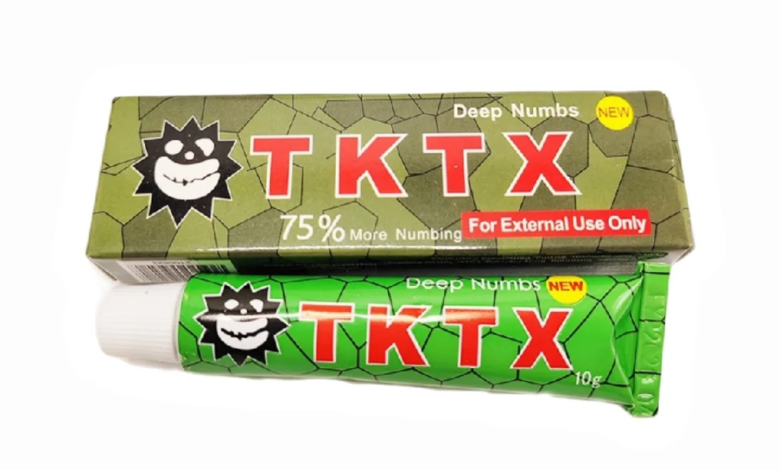
Piercings hurt for about three seconds, and then they are done. That short window is exactly why a numbing cream sits in an odd place for piercing clients compared to tattoo clients. Plenty of people order a tube expecting the same result they read about in tattoo forums, then feel let down when the needle still registers the pain. The product is not failing them. The procedure is simply different, and the skin being pierced often sits well beyond what a topical anaesthetic can reach to numb the pain. Knowing that before you book saves money and disappointment.
Here is the honest version. Numbing cream can genuinely soften certain piercings, particularly the ones through soft, flat, well-supplied skin. For others, mainly anything through cartilage, it does close to nothing useful. Both statements are true simultaneously, which is why online advice often contradicts itself.
How Topical Numbing Cream Works on Skin
Lidocaine and similar anaesthetics soak into the upper layers of skin and quieten the nerve endings sitting there. Those nerves stop passing the pain message along at full volume.
The catch is depth. Topical creams reach roughly the outer few millimetres. Anything deeper continues to report sensation normally.
A piercing needle does not stop at the surface. It travels through, and the part that stings most is often the tissue underneath.
So the cream removes the sharp bite of the entry. It rarely removes the deep pressure that follows.
Where Numbing Cream Actually Helps for Piercings
Soft tissue placements respond best. These sit in fleshy areas where the needle passes through skin and a thin layer beneath it.
- Earlobes
- Navel
- Eyebrow
- Nostril, to a degree
- Surface piercings on flatter areas
Lobes are the clearest case. Thin skin, shallow path, quick pass. People with needle anxiety often report the whole thing feeling more like firm pressure than pain.
Navel piercings are longer procedures because the piercer works through a fold. A numbed surface removes at least one layer of the discomfort, which matters when you are holding still.
The psychological side deserves credit too. Someone who feels calmer holds still. Holding still gives the piercer a cleaner angle. That is nothing.
Where Numbing Cream Does Almost Nothing
Cartilage is the honest limit. Helix, conch, daith, rook, industrial, tragus, and septum all pass through a firm structure that no surface cream can reach.
You might feel slightly less at the entry point. The crunch and pressure through the cartilage itself stay exactly as they were. Plenty of people describe cartilage pain as pressure rather than sharpness anyway, and pressure is not what these products act on.
Oral and mucous membrane piercings are another gap. Tongue, lip interiors, and similar sites involve tissue that absorbs anaesthetic in different and unpredictable ways. Standard topical creams sold for skin are not suitable for that area.
Nipple and genital piercings involve dense nerve supply at depth. Surface numbing barely touches the sensation people are actually worried about.
If the needle passes through cartilage, dense tissue, or mucous membrane, expect very little. Spending forty-five minutes waiting for a cream to work before a helix piercing is largely wasted time.
Timing and Application for Piercing Clients
Application matters more than product strength for most people. Rushing it is the most common mistake.
- Clean and dry the area first. Oils and residue slow absorption.
- Apply to the exact site, not a wide surrounding zone.
- Give it the full time stated on the packaging, usually between 30 and 60 minutes.
- Wipe it away completely before you arrive or before the piercer marks you.
That last point causes real problems. Residue interferes with marking and with the sterile field. Some piercers will refuse to work on a site that has cream on it.
Do not apply extra thought to the idea that it will work more deeply. It will not. It only raises how much your body absorbs, which is the part that carries risk.
See also: Label Sticker Printing Works Differently for a Food Jar, Cosmetic Bottle and Beer Bottle
What Your Piercer Thinks Matters
Ask first. This is the step people skip and later regret.
Some studios welcome it for lobes and navels. Others decline outright, and the reasons are practical rather than stubborn. Numbing creams can slightly change skin texture and tone, which affects how a piercer reads the anatomy and places the mark. A jewellery position that shifts by a millimetre can change how the piercing heals for years.
Deciding Whether It Is Worth It
Run through three questions. Is the placement soft tissue or cartilage? Has your piercer agreed to it? Are you buying a product approved for supply in Australia?
Two yes answers and one no usually means skip it for this piercing.
The realistic expectation is a reduction, not an absence. Numbing cream lowers the sharpness for suitable placements and does very little for the rest. People who go in understanding tend to walk out satisfied. People expecting to feel nothing tend not to.
Next steps: pick your placement, message the studio, and buy only after they confirm it suits.
Always consult a healthcare professional before using any topical anaesthetic.